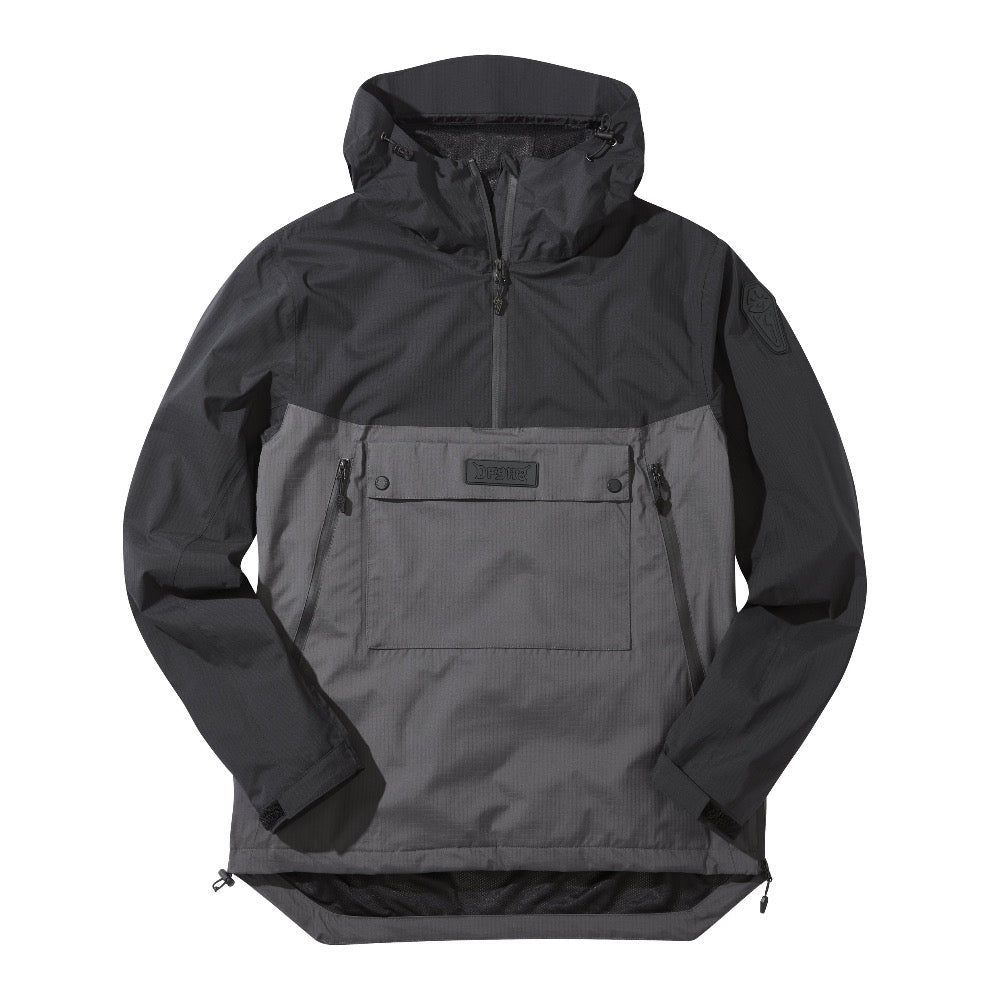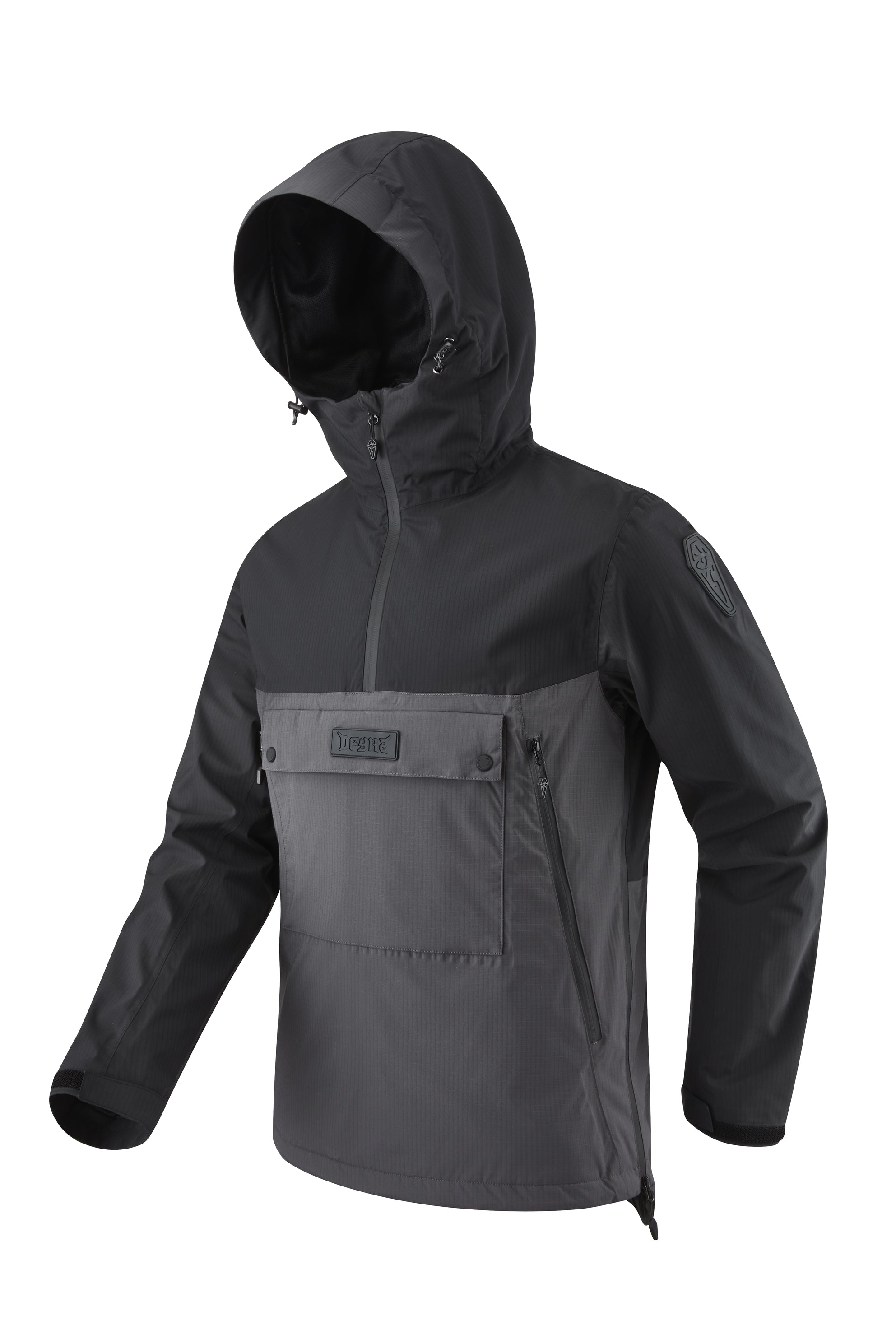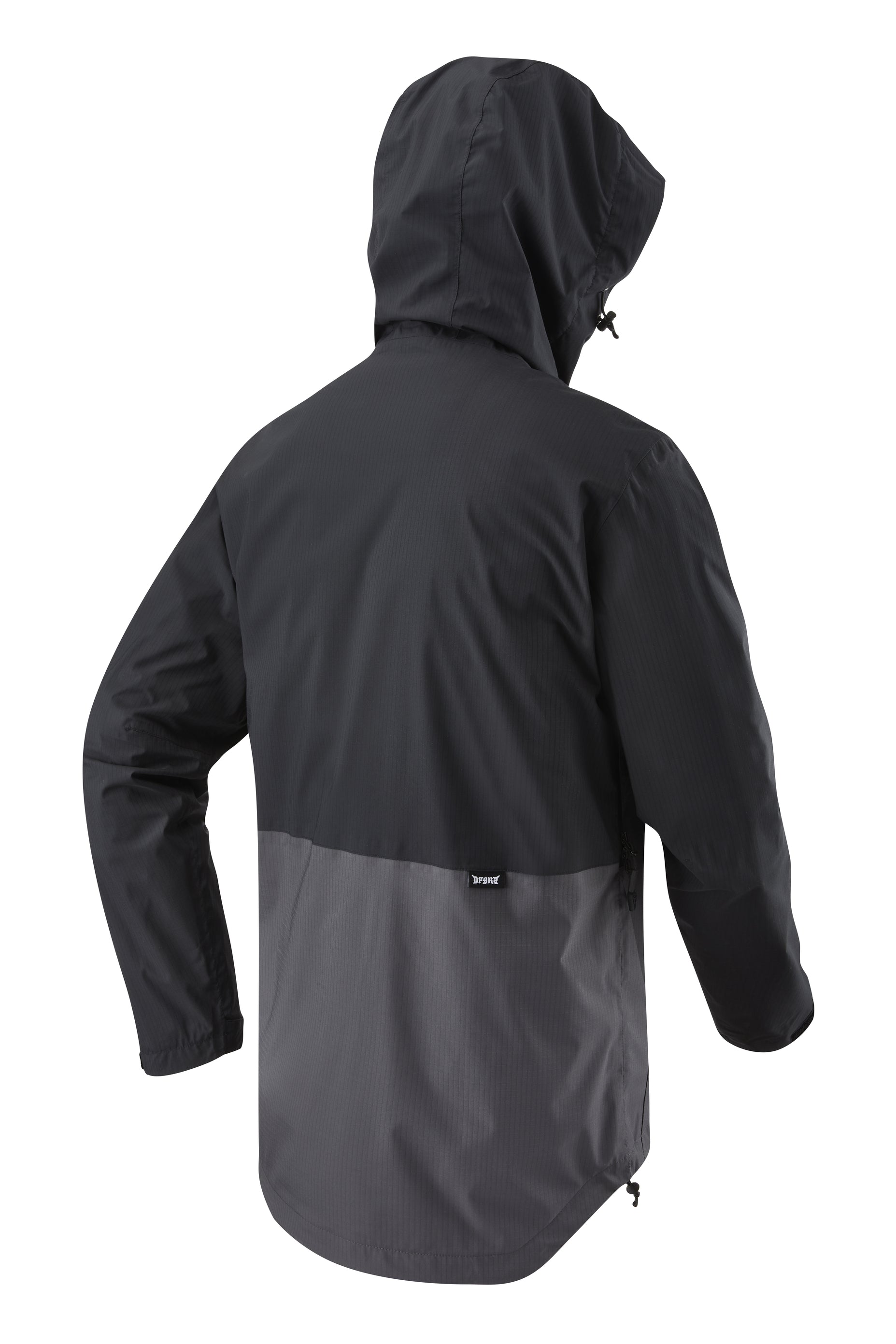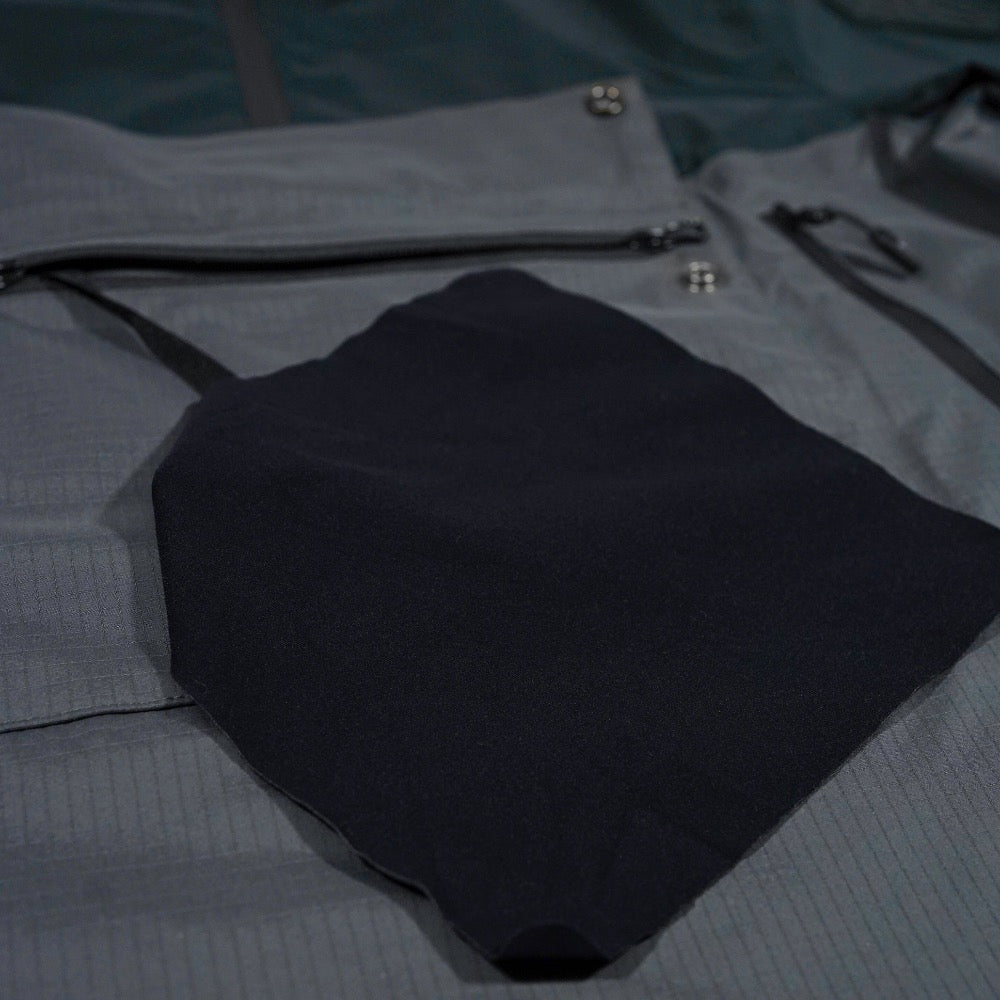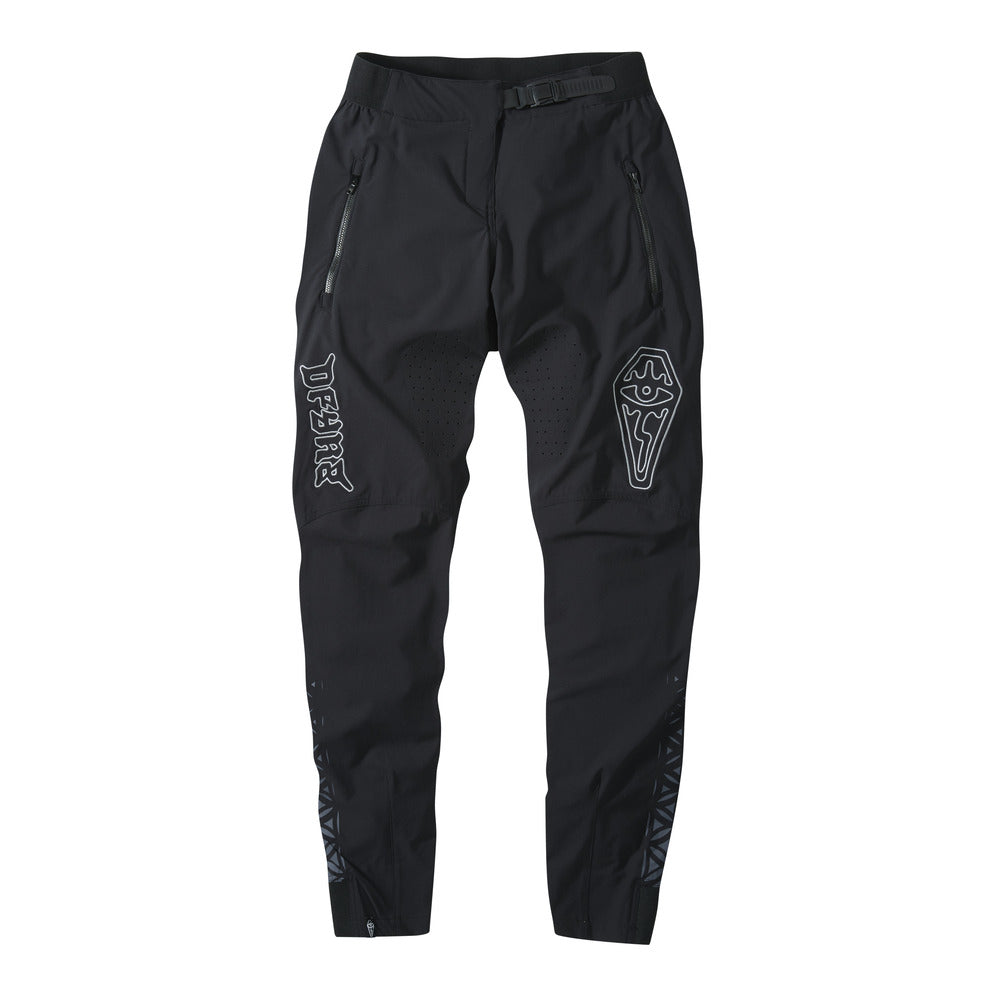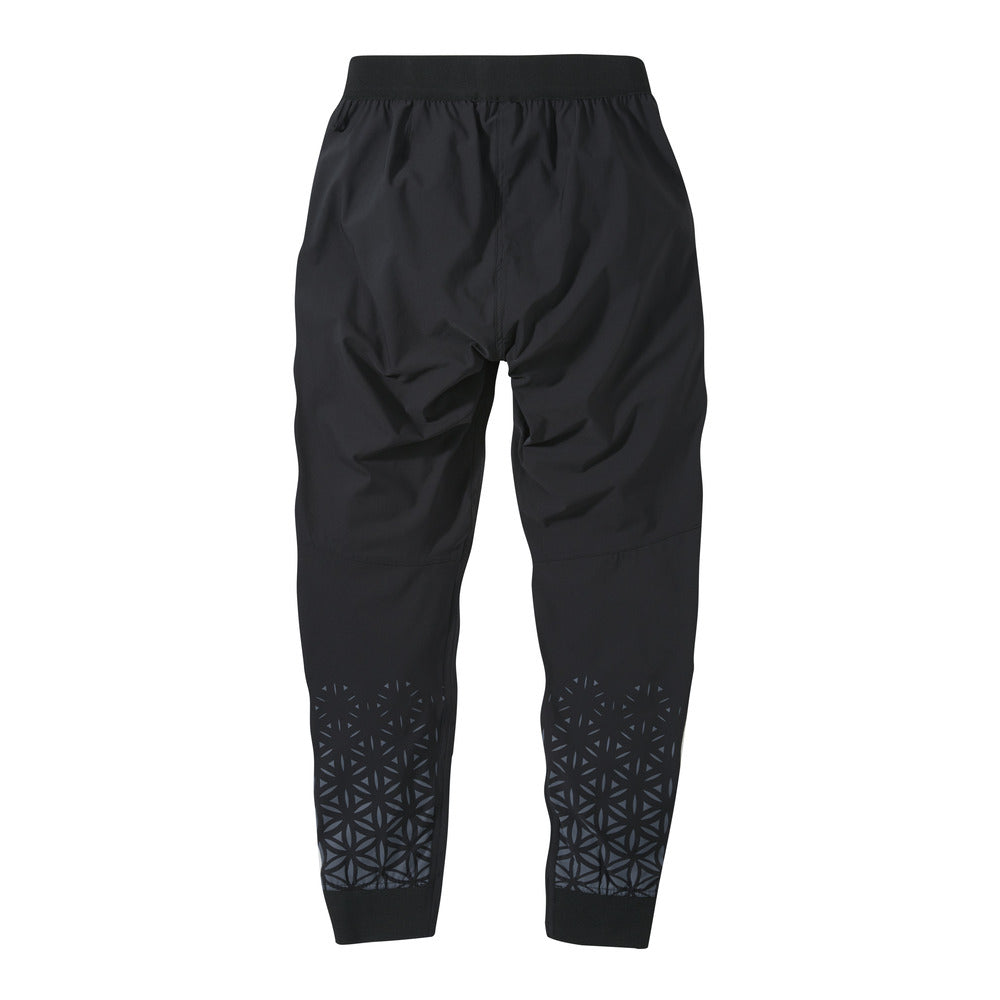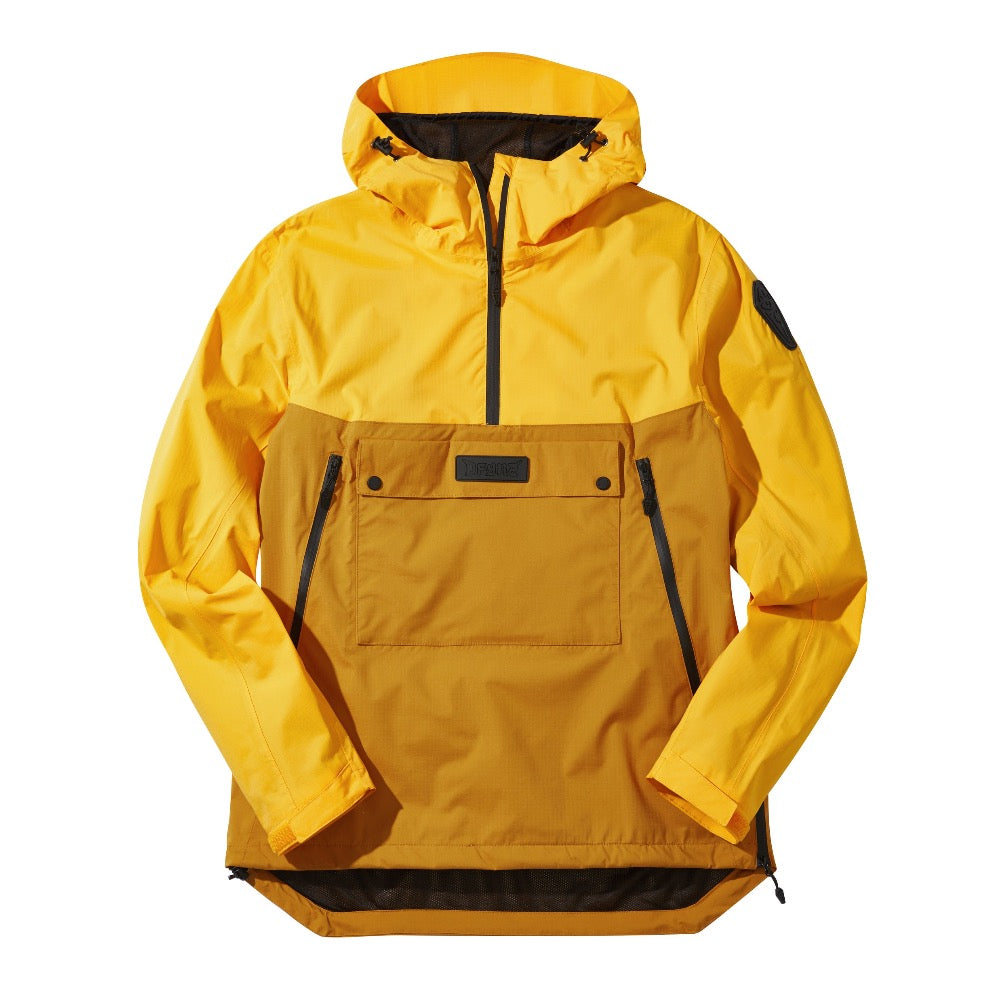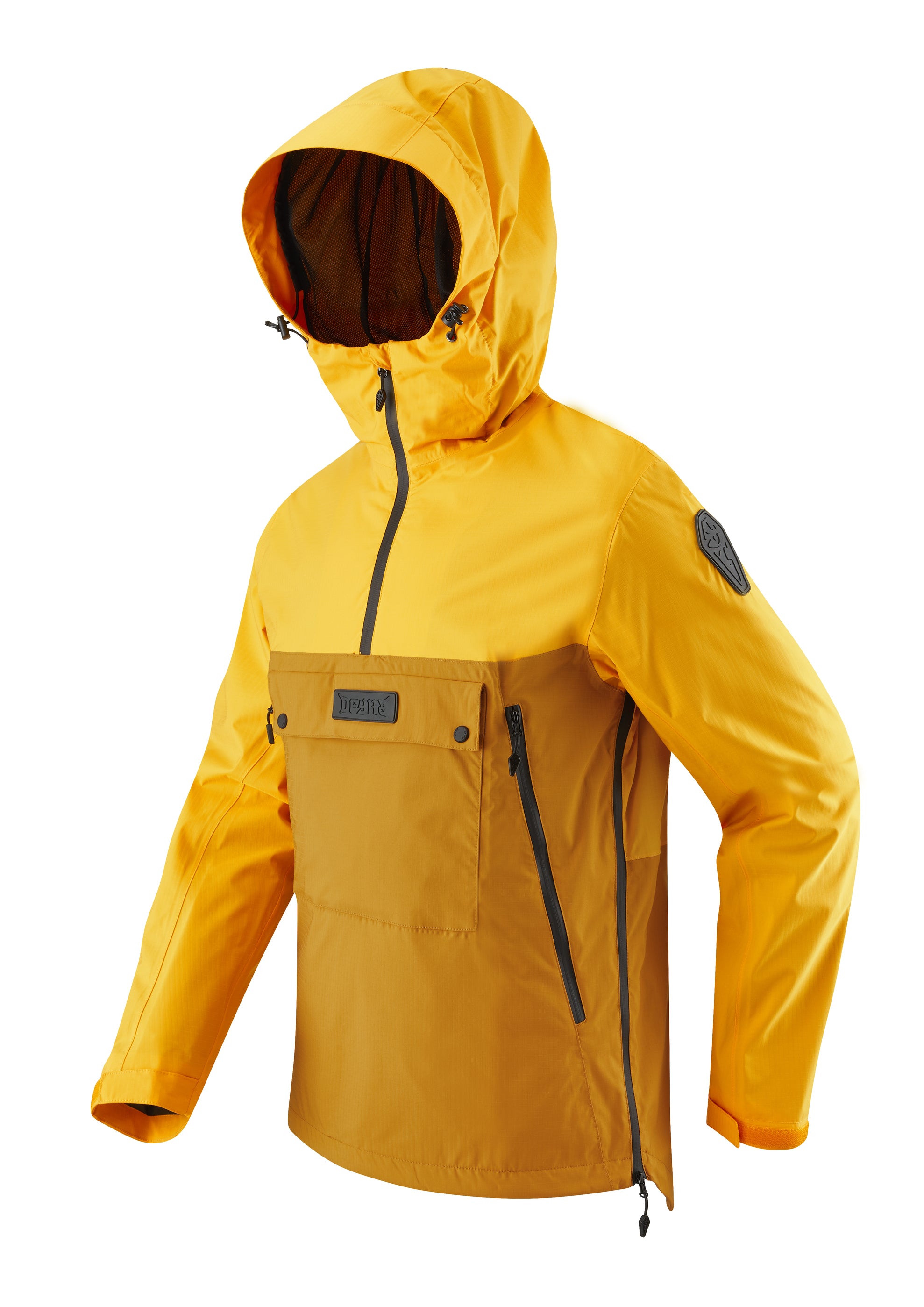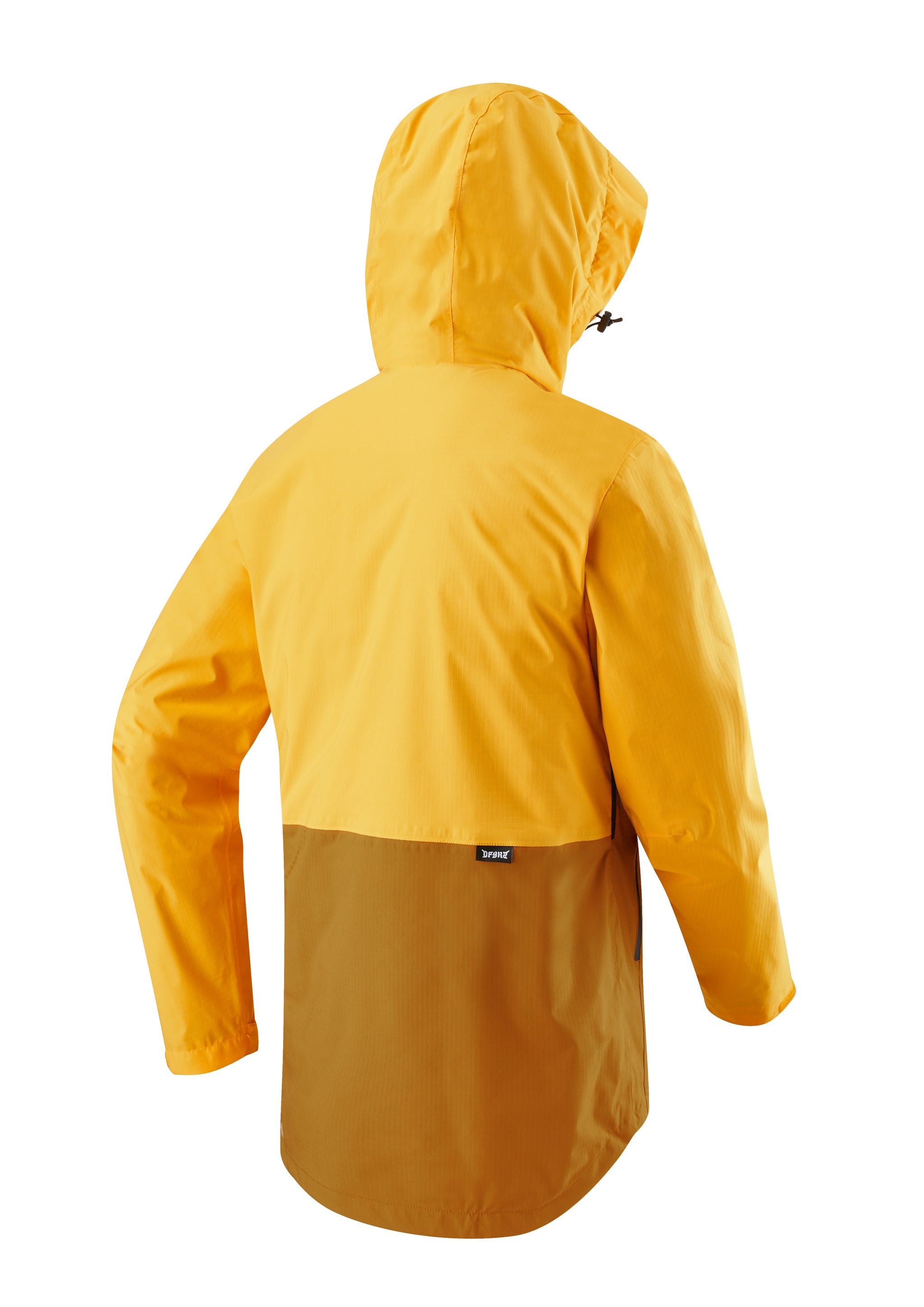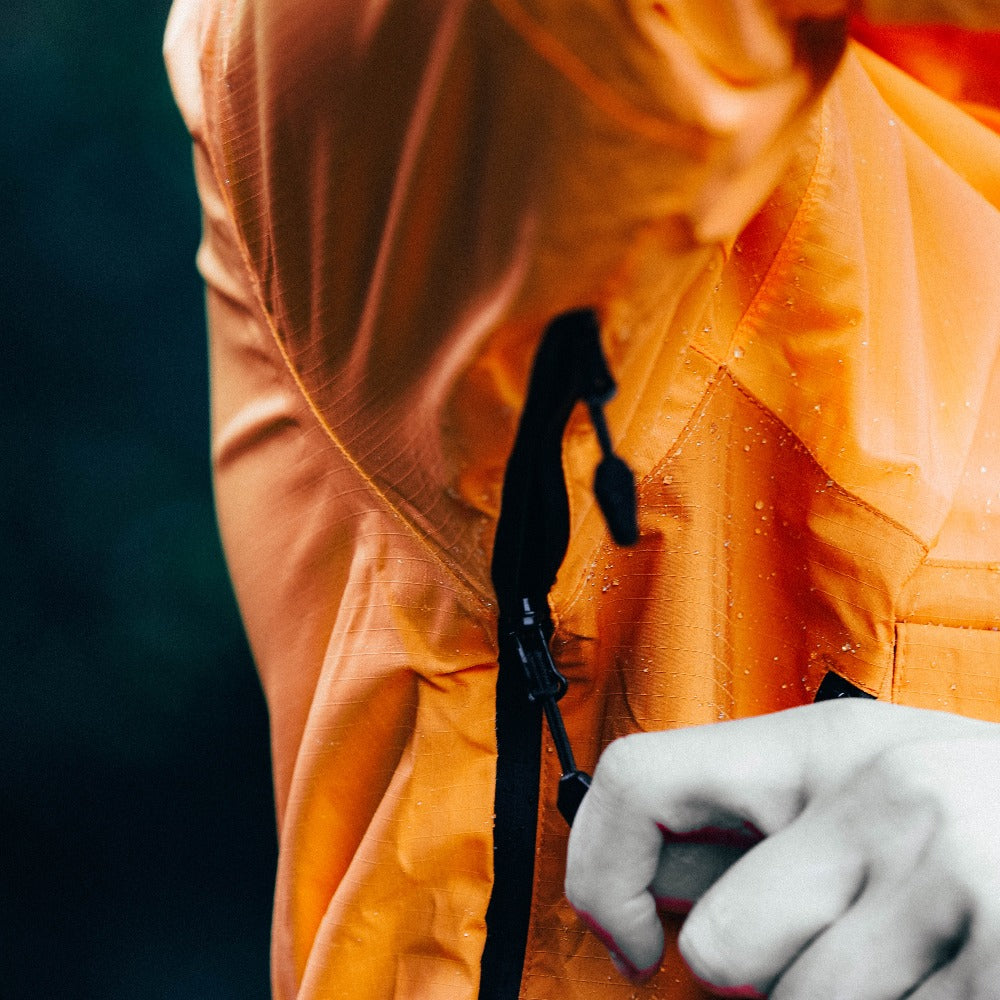






We carefully select hard-wearing fabrics so your cycling kit lasts as long as possible. To get the best lifespan from each piece, always follow the care instructions on the label inside the garment. These instructions are specific to that product and should be your main reference.
Washing less is one of the simplest ways to extend the life of your kit. How often something needs cleaning depends on the garment and how it’s used. For example, if a waterproof jacket is lightly soiled, we recommend wiping it down with a damp cloth rather than washing it straight away. On the other hand, a polyester baselayer worn on a hard, sweaty ride will usually need washing after each use.
Reducing the number of washes means less exposure to detergents and abrasion, which helps your gear last longer and lowers its environmental impact.
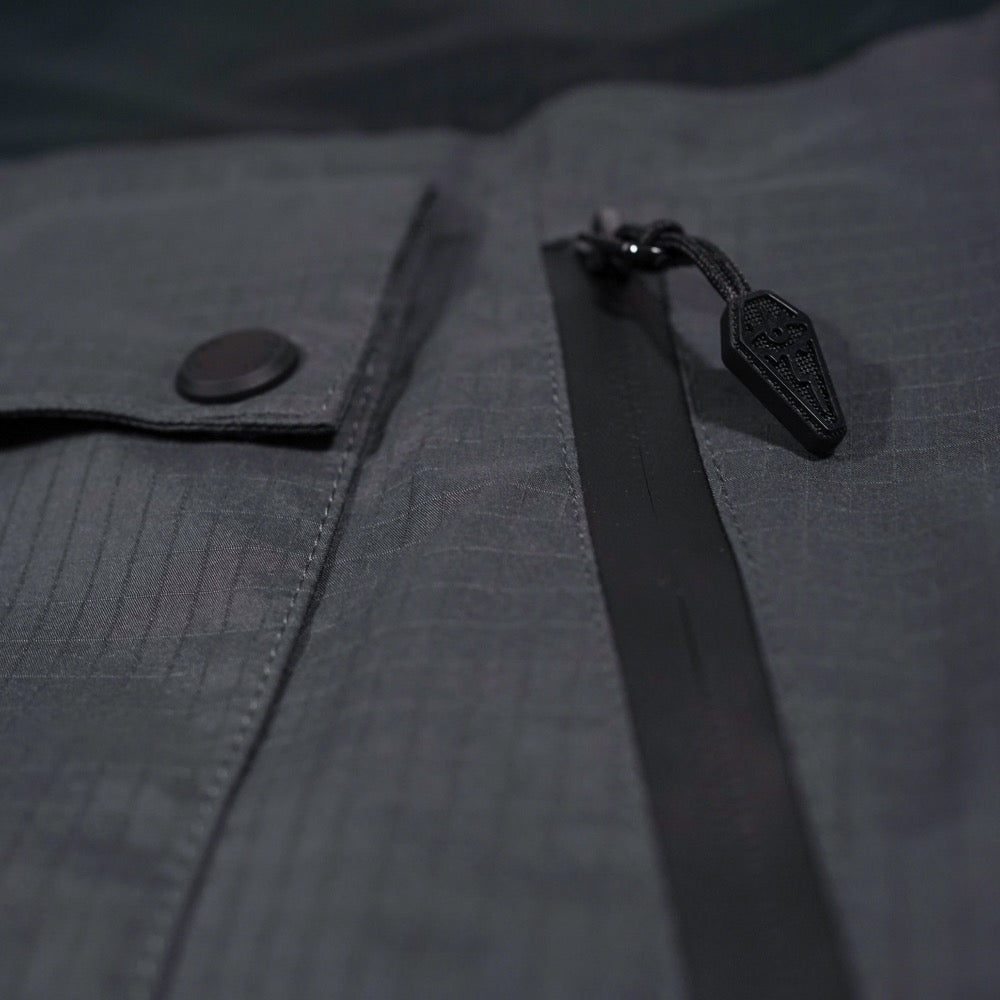
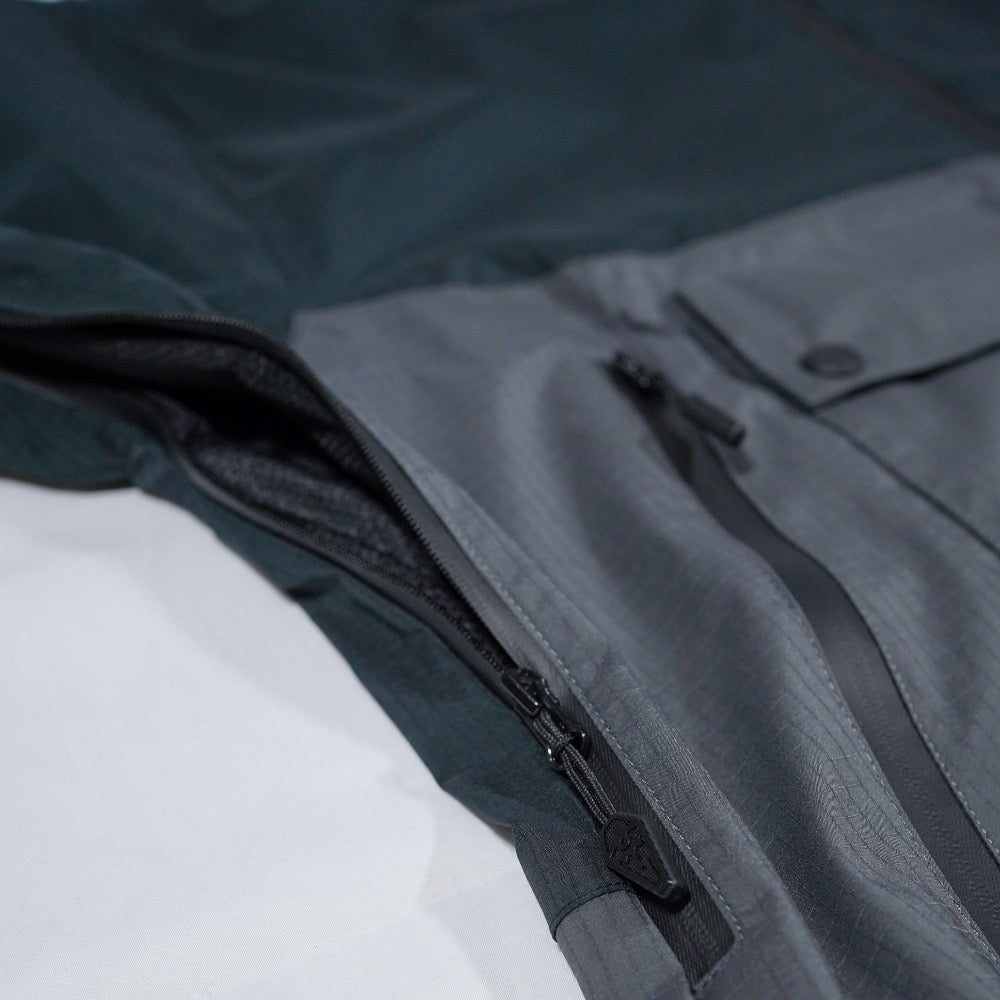
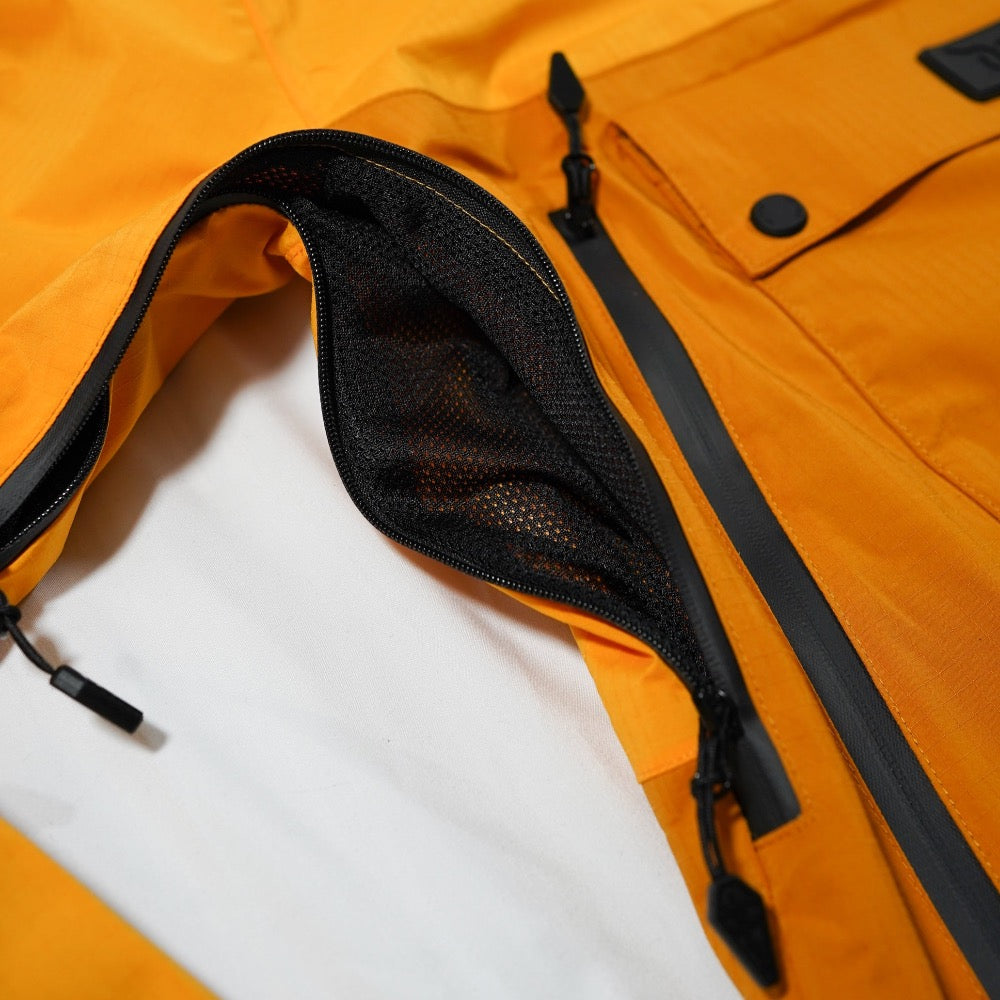
If a zip feels rough or looks dirty after use, clean it with a damp, soapy cloth to remove built-up grit from the teeth and slider. Machine washing will also help clean zips, but items that see heavy dirt or dust may benefit from occasional zip-only cleaning between washes.
If a zip is clean but feels stiff, a small amount of zip-safe lubricant or a natural alternative such as beeswax can help restore smooth movement. Apply sparingly.
Before washing, always fully fasten all zips. Washing with partially open zips can put unnecessary strain on the teeth and slider.
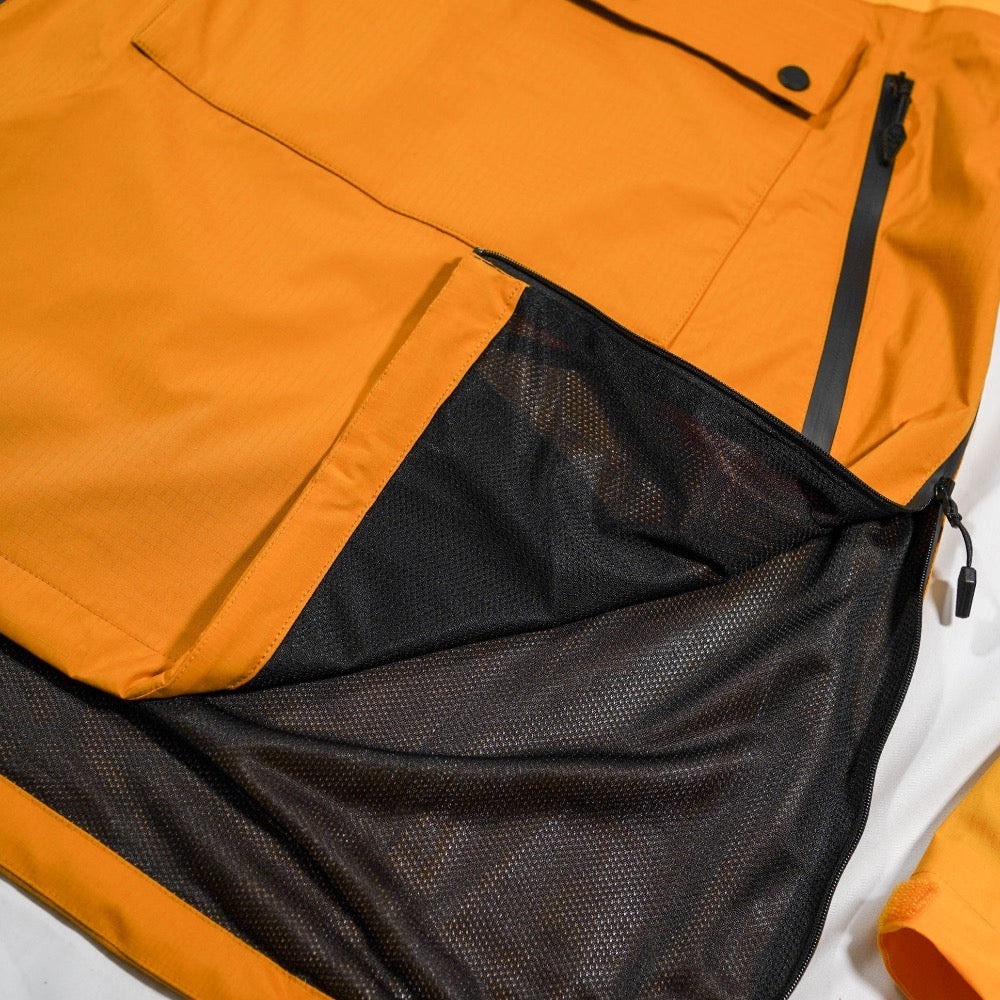
Avoid forcing zips. If a pocket or pack is overfilled, reduce the contents or use two hands to bring the fabric together before pulling the zip closed.
If a zip snags, stop and reverse the slider slightly to free whatever is causing the obstruction. Pulling harder is likely to cause permanent damage.
Be mindful of loose items around zips. Hair, cords, or fabric can easily get caught in the slider, often damaging both the zip and whatever gets trapped.
A common myth around waterproof clothing is that washing it ruins its waterproof performance. This isn’t the case. The key is washing only when needed and using the correct products.
Before washing, consider whether it’s actually necessary. If your jacket is lightly covered in trail spray or surface dirt, wiping it down with a damp cloth and warm water may be enough. Washing too often will accelerate wear, so it’s best kept to when it’s genuinely required.
When washing is needed, using the right detergent is critical. Standard biological detergents can damage waterproof membranes, reducing their ability to keep water out. Always use a cleaner designed for technical waterproof garments.
Wash at 30°C on a synthetic or technical cycle with a low spin. After washing, hang the garment indoors in a well-ventilated space overnight, or outside on a line in dry conditions.
All of our waterproof garments are finished with a Durable Water Repellent (DWR) treatment. This helps water bead and run off the outer fabric, maintaining breathability. Over time and after multiple washes, this coating will wear. If water no longer beads on the surface, it’s time to reproof the garment.
Reproofing products are available as either wash-in or spray-on treatments. Spray-on options allow more targeted application to high-wear areas such as the seat and shoulders.
Modern reproofing solutions use PFC-free chemistry, avoiding fluorocarbons that have been shown to cause significant environmental harm. This offers effective water repellency with a reduced environmental impact.
Some products combine washing and reproofing in a single cycle. Follow the manufacturer’s instructions carefully, then hang the garment to drip dry in a ventilated area. Warm conditions will help the treatment perform at its best.
We recommend using a cleaner/proofing designed specifically for technical outdoor fabrics. Suitable options include:
- Storm Technical Garment Eco Proof
- Nikwax TX Direct Wash-In
A mild, free-rinsing liquid soap or gentle detergent can also be used. Avoid detergents containing fabric softeners, added fragrance, whiteners, or colourants.
We recommend using a cleaner/proofing designed specifically for technical outdoor fabrics. Suitable options include:
- Storm Technical Garment Eco Proof
- Nikwax TX Direct Wash-In
A mild, free-rinsing liquid soap or gentle detergent can also be used. Avoid detergents containing fabric softeners, added fragrance, whiteners, or colourants.
Before washing, consider whether it’s necessary. Light trail spray or surface dirt on riding pants or shorts can often be removed with a damp cloth. Washing too frequently will accelerate wear, so only wash when required.
If washing is needed, use a cleaner suitable for technical performance fabrics. Standard biological detergents can strip the Durable Water Repellent (DWR) finish, reducing the fabric’s ability to shed water.
Wash at 30°C on a synthetic or gentle cycle.
Air dry only. Do not tumble dry. Avoid radiators and high heat, and ensure garments are properly supported when hanging to prevent stretching.
After several washes, or once water no longer beads on the fabric surface, the DWR finish may need refreshing. Use a wash-in or spray-on reproofer to help restore water resistance and performance.
We recommend using a cleaner/proofing designed specifically for technical outdoor fabrics. Suitable options include:
- Storm Technical Garment Eco
- Nikwax Direct Wash-In
A mild, free-rinsing liquid soap or gentle detergent can also be used. Avoid detergents containing fabric softeners, added fragrance, whiteners, or colourants.
These garments are easily damaged by Velcro. Hook fastenings can catch the fine fibres in the fabric, leading to pulls or bobbling on the surface. In some cases, gently stretching the fabric can help draw these fibres back in.
To avoid damage, we recommend washing any items with Velcro fastenings in a separate wash, or placing them inside a wash bag. This helps protect these garments from unnecessary wear.
If these garments become stained, apply detergent directly to the affected area before washing. Repeat if needed until the stain lifts. Do not bleach.
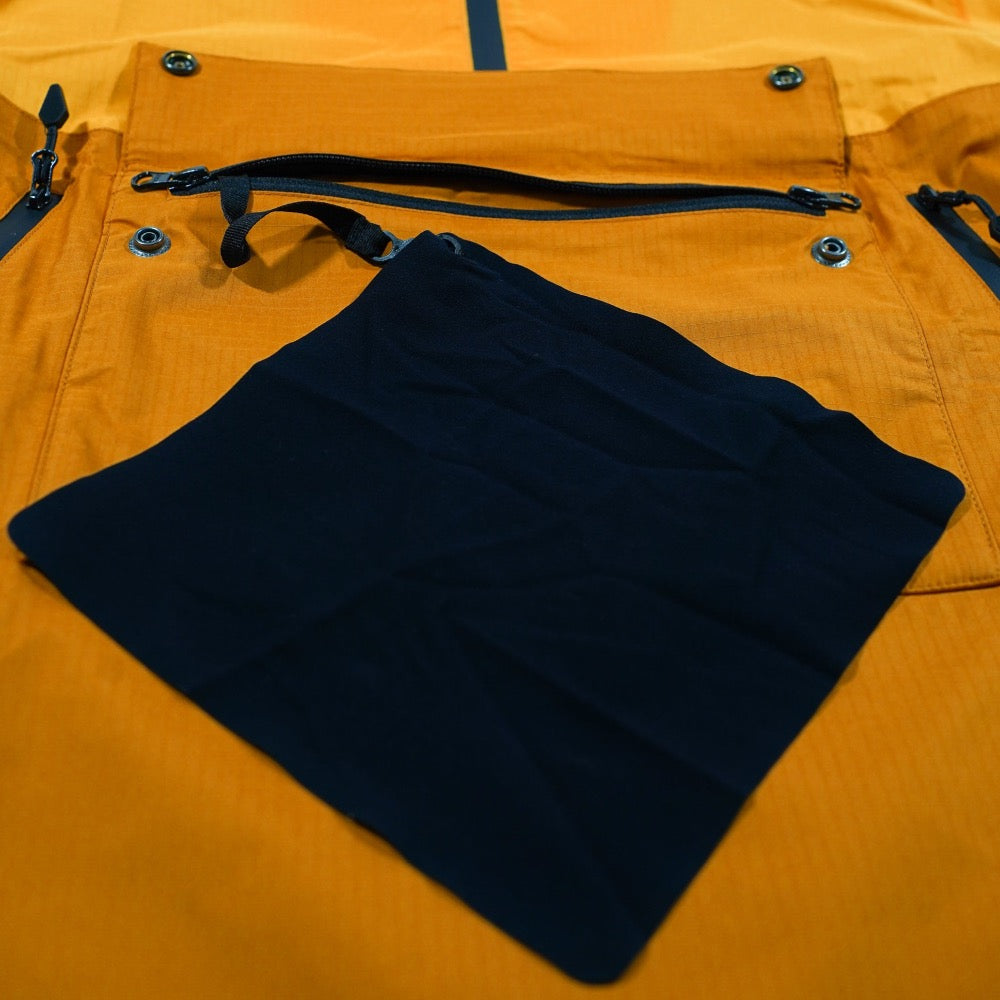
Eyewear lenses can be easily damaged if cleaned with the wrong materials, so take care when cleaning them. Your eyewear is supplied with a dedicated microfibre lens cloth, which should be used whenever possible.
For deeper cleaning, rinse lenses with lukewarm soapy water. Take extra care when removing dirt or grit, as debris can scratch lens coatings if rubbed into the surface.
For everyday use on the trail, many of our jerseys include an integrated lens wipe inside the pocket, ideal for quick, safe cleans mid-ride. For home cleaning, we recommend using a specialist lens spray alongside a microfibre lens cloth.
To maintain fit, colour, and performance, we recommend machine washing gloves on a gentle cycle at 30°C. Use a small amount of mild detergent, avoiding strong or heavy dosing, as excess detergent can affect the finish and colour of the material over time.
Do not apply detergent directly to the gloves, as this can lead to over-concentration in certain areas.
Air dry only. Do not tumble dry or expose gloves to direct heat.